(EN)
(EN)
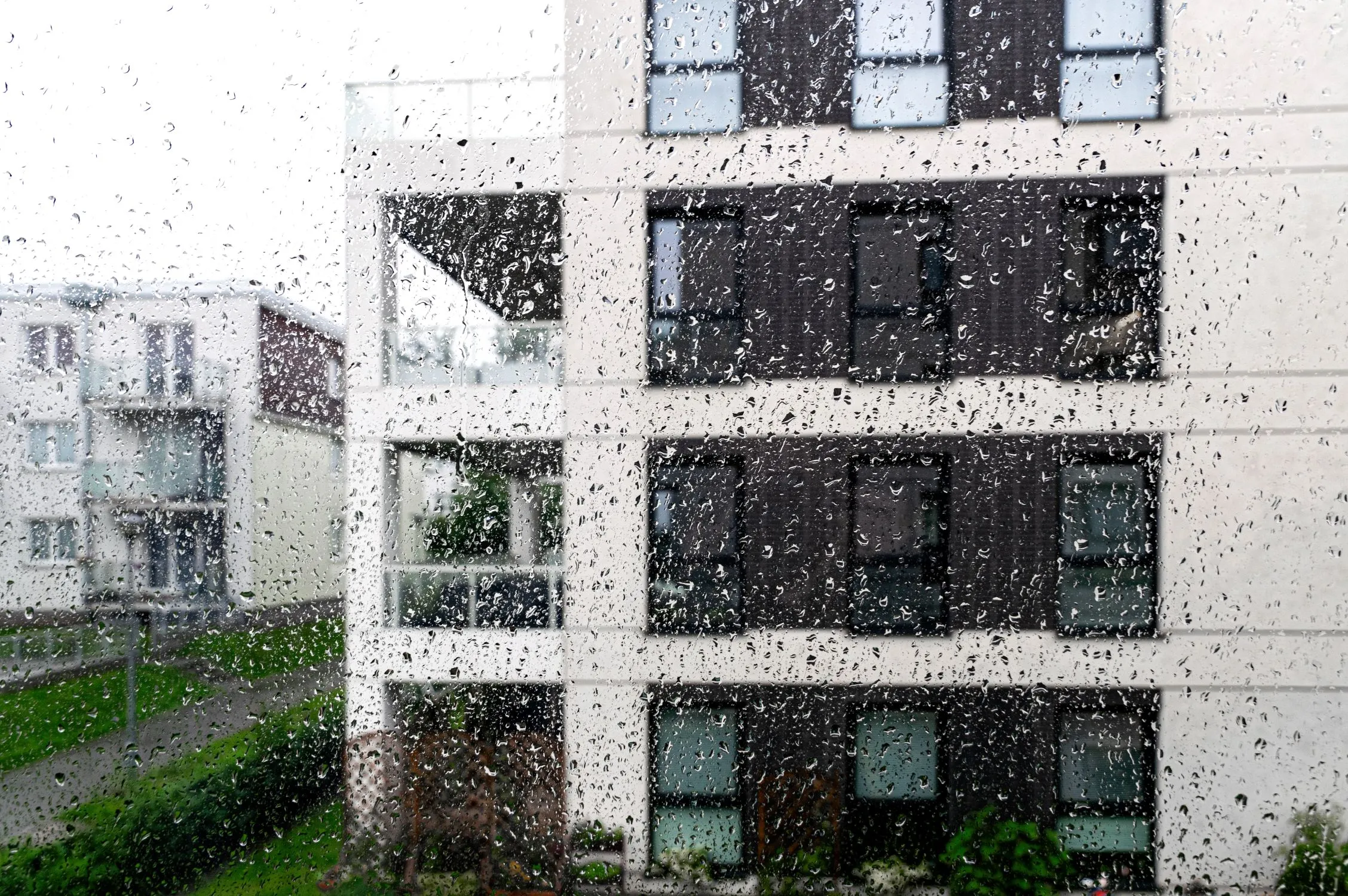
Flood Protection for Renters in Canada - What You Can Do Right Now
Renting in Canada? Learn how to help protect yourself from flooding and some guidance on what to discuss with your landlord before the next storm hits.

 Search RBC...
Climate resilience means being able to withstand extreme weather and bounce back from the disasters it could cause. The rise in global temperatures is leading to unpredictable flooding, wildfires, heatwaves, and other hazards that are hitting Canada harder than ever1.
That’s why it’s critical to be proactive. Here are some ideas for you to start safeguarding your home.
Flood Protection for Your Home
Flooding can happen in different ways, depending on where you live, and every home is unique. The good news is that protecting your home does not have to be complicated or expensive.
Understand How Water Enters a Home — Floods often happen because several things occur at once—heavy rain, flash foods, melting snow, or sewer systems backed up. Homes in cities are especially at risk because concrete, pavement, and rooftops don’t absorb water.
Maintain what you’ve got at least twice per year — Seasonal tasks and cost-effective measures can make a significant difference, such as cleaning out eavestroughs, testing your sump pump, and checking for leaks in plumbing.
Complete needed upgrades — Simple upgrades such as installing flood alarms, to complex ones such as installing a backwater valve can help prevent basement flooding in your home.
This is a critical time to help prepare your home against flooding. Work through this list and head into winter with more confidence.
Download the Checklist
If you live in a home with a basement, here are some simple, low-cost steps you can take to help protect your home against flooding.
Improvements you make to your home today can help you reduce the risk of water entering your home later.
Don’t wait for the next flood – simple upgrades now can help mitigate costly damages later.
Download Full Flood Guide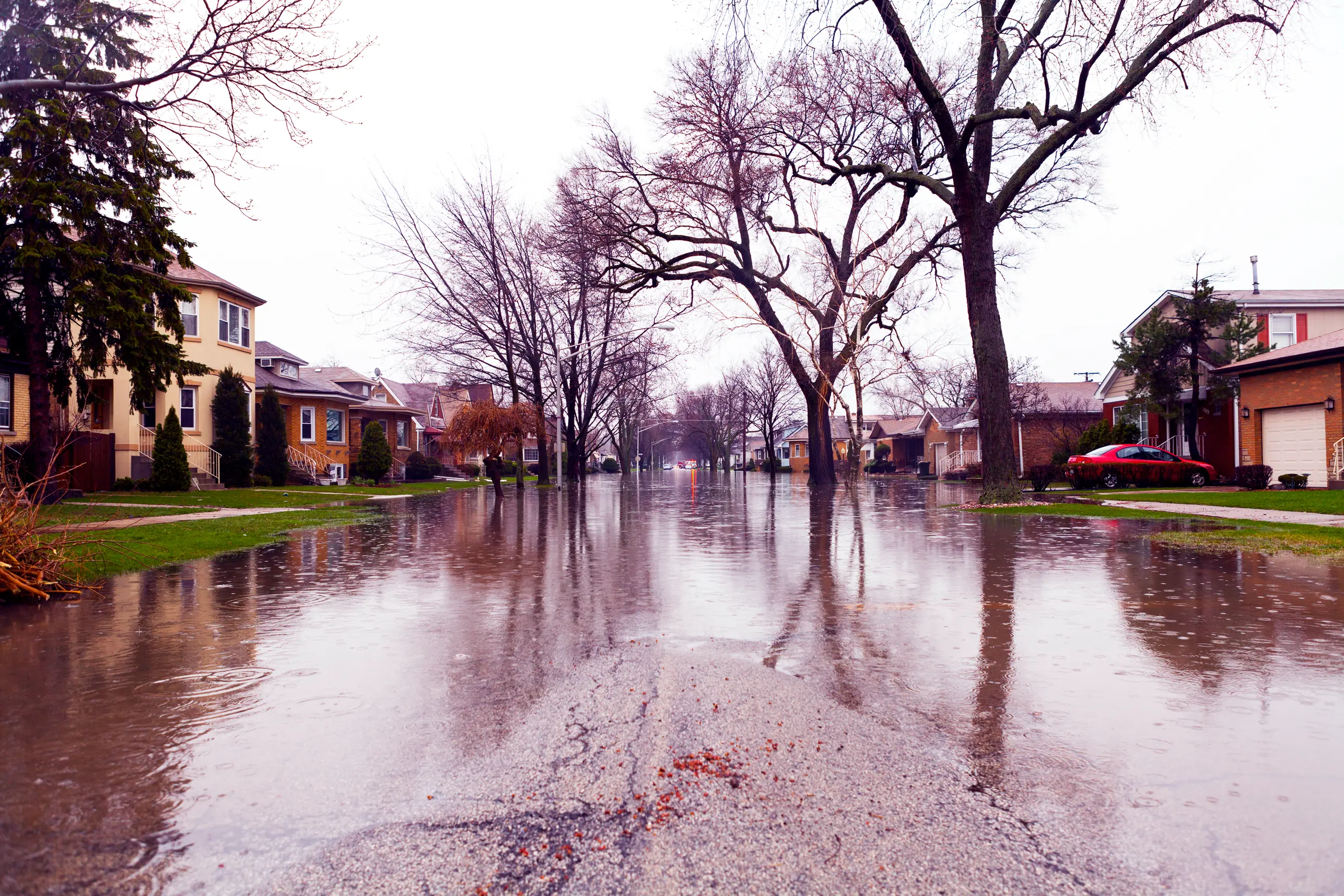
Renting in Canada? Learn how to help protect yourself from flooding and some guidance on what to discuss with your landlord before the next storm hits.
An emergency fund is about having a financial cushion when life throws something unexpected your way.
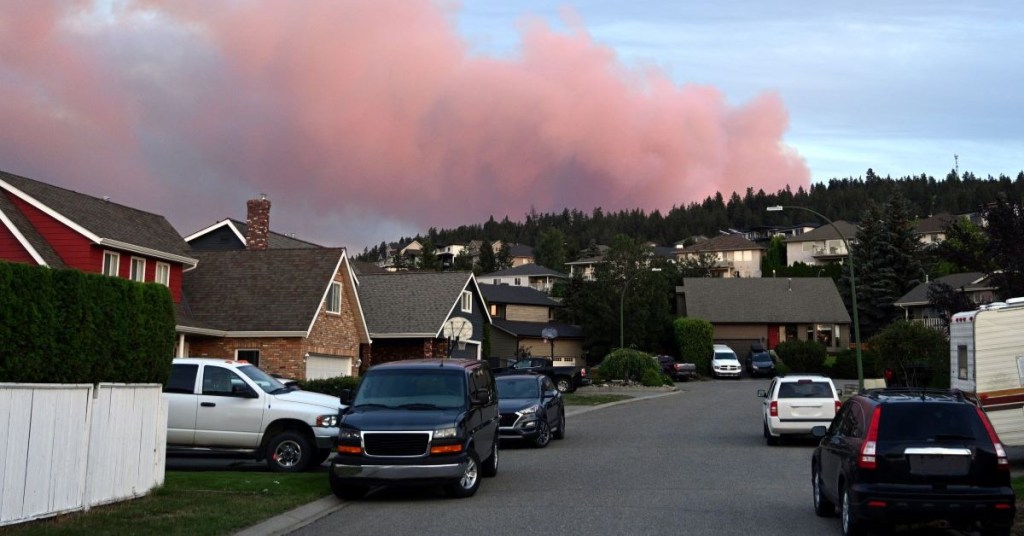
Wildfires can happen with little warning and spread quickly. Many houses catch on fire from embers and small flames rather than large, direct blazes. Trim trees so they’re not touching your walls or roofline and clear dry debris from your roof and gutters. Simple fixes that cost less than $300 can help make all the difference.
Read more hereExtreme heat events are projected to become more frequent, which means Canadians need to be prepared.
Sign up for local alerts, ventilate your home strategically, consider sleeping in cooler parts of your home, and begin planting more greenery around your home.
Read more hereBeyond floods, wildfires, and extreme heat, Canadians also face hail, strong winds, ice storms, and poor air quality from nearby fires. These can affect communities from coast to coast to coast. Find out which risks are more relevant to where you live and if your municipal or provincial government has resources to help you stay alert and prepared.
Borrowing money against the equity of your home could help finance your renovation project at lower rates than other types of loans.
Finance Your Project
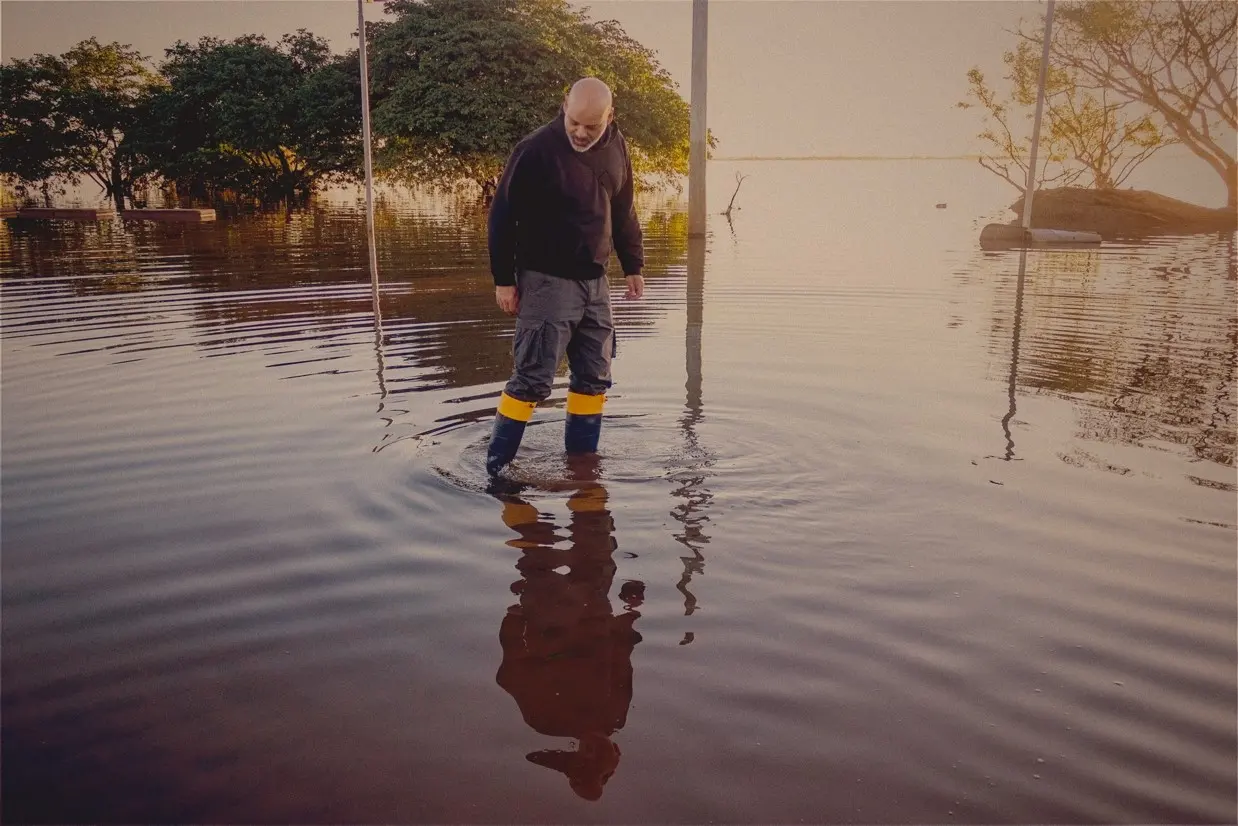
As extreme weather can reshape Canada, find out how RBC is working on empowering homeowners and businesses to build resilience.
An emergency fund is about having a financial cushion when life throws something unexpected your way.
These infographics outline practical steps you can take to help safeguard your property from extreme heat, flooding, and wildfires.