


TLDR
-
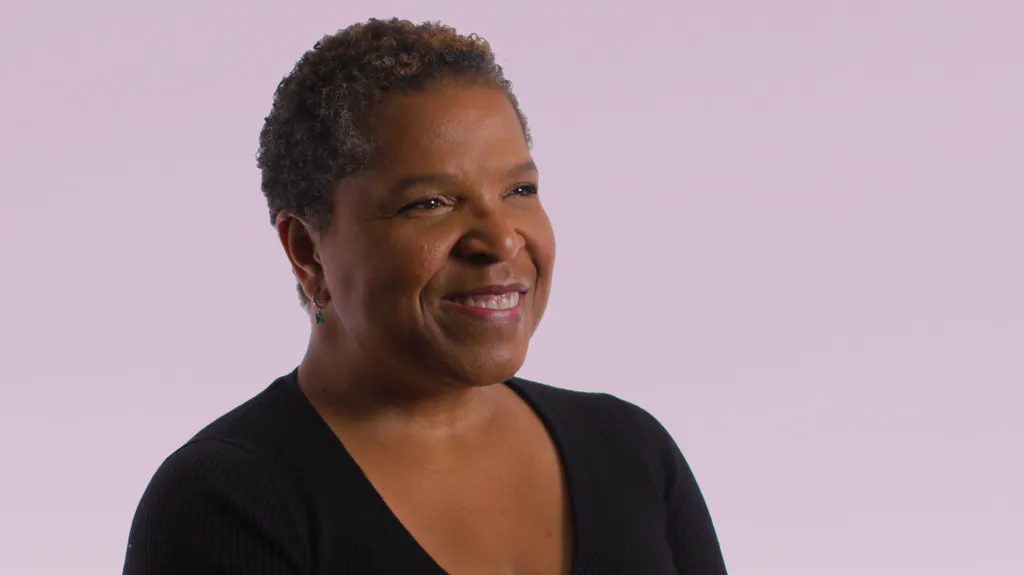
Marie-Astrid Dubant’s entrepreneurial mindset has helped her build programs, foundations and partnerships from the ground up.
-
At CyberCap, she raised $600,000 to launch AI and cyber security training for youth who had left school.
-
Her willingness to step into places where she “didn’t belong” helped bring global attention to the organization’s work.
-
An RBC Canadian Women Entrepreneur Award finalist, she encourages other women entrepreneurs to trust their instincts, ask for help and stay connected to their purpose.
From launching businesses in her early twenties to transforming how underserved youth access technology, Marie-Astrid Dubant has built a career on a deeply held personal philosophy: take risks, follow your purpose and don’t wait for permission to make a difference.
Today, Dubant is Chief of Advancement at the Canadian Centre for Architecture in Montreal. Before that, she helped reshape the future of CyberCap, a nonprofit that equips young people with digital and cyber security skills. Across every role she’s held, one theme remains constant – a willingness to step into spaces where she doesn’t necessarily “belong” and build something meaningful anyway.
Early risks and reinvention shaped Dubant’s entrepreneurial path
Dubant grew up in France in a family where entrepreneurship was part of everyday life. Her grandparents founded a business in the sports industry, and her father was also an entrepreneur.
“I was surrounded by people who weren’t afraid to take risks,” she says.
At 14, she left home to study hospitality – an industry that appealed to her desire to serve and care for others. By 15, she was already working summers in hotels and restaurants, building experience that would shape her leadership style.
But school wasn’t easy. Dubant struggled with dyslexia and often felt out of place in traditional classrooms. One teacher even told her she would never be able to speak English. “For a long time, I believed I wouldn’t succeed in life,” she recalls.
Instead of discouraging her, those experiences pushed her to carve out her own path.
At 21, she opened a coffee shop in Vancouver with a partner – a venture that promptly failed and cost her everything she invested. “It was a disaster,” she says with a smile. “But that’s how you learn.”
More ventures followed, including an events business that organized hundreds of weddings a year. Moves between countries, including Canada and France, meant repeatedly rebuilding her career from scratch.
Each reinvention brought her closer to the work that would define her path forward.
A chance opportunity revealed a natural talent for fundraising
Dubant’s transition into philanthropy happened unexpectedly.
After joining an organization that asked her to help raise funds, she quickly discovered she had a rare ability to connect with causes that mattered to them. In her first donor meeting, she secured a significant gift – unusual for someone new to the job. It was a moment that sparked a new direction for her.
Dubant went on to study fundraising formally at the Lilly School of Philanthropy in the U.S., learning the strategy and discipline behind what she describes as a powerful but often misunderstood skill.
“Fundraising is about helping people invest where their heart beats,” she says.
Over the years, she became known for building programs and departments from the ground up – from launching a philanthropy division for a media organization to creating a new foundation for the YWCA in Quebec. But her most transformative work was still to come.
Applying an entrepreneurial mindset to social impact at CyberCap
When Dubant joined CyberCap, the nonprofit was at a critical moment. One of its programs was at risk of closing and funding for nonprofits across Quebec was tightening.
The organization’s mission – to support youth who had dropped out of school – resonated deeply with her. “These were young people who had been told they weren’t good enough,” she says. “I knew exactly what that felt like.”
As a parent of school-aged children herself, the work carried an additional layer of meaning. After all, the digital world these students were navigating would shape her own children’s futures as well. That perspective strengthened her determination to ensure young people – especially those who struggled in traditional systems – still had opportunities to succeed.
Drawing on her entrepreneurial mindset, Dubant set out to reinvent what CyberCap could offer.
Within months, she raised $600,000 to launch a new program teaching cyber security and artificial intelligence to youth who had left the traditional school system – skills that could open doors to stable, well-paying careers. She also expanded the organization’s work in schools across Quebec, bringing hands-on digital literacy education directly into classrooms.
Within two years, CyberCap’s programs expanded to more than a dozen regions across Quebec, including smaller towns and communities that typically lacked this kind of cutting-edge training.
But Dubant didn’t stop there, saying “yes” to every opportunity, even when it scared her. She joined international forums on AI and cyber security, launched a podcast to bring global voices into the conversation and advocated for the inclusion of nonprofit and youth perspectives in spaces typically dominated by large corporations.
“I went into every place where I didn’t belong,” she says. “But that’s how we put CyberCap on the map.”
Building what’s next: A new chapter at the Canadian Centre for Architecture
After helping CyberCap secure funding and momentum for the years ahead, Dubant made another bold decision. She left.
“It was a grief for me,” she says of the difficult choice. “But I am an entrepreneur. My role is often to build something, bring it to life and then pass it on.”
Her next challenge was joining the Canadian Centre for Architecture as Chief of Advancement – a newly created role responsible for developing fundraising and partnerships.
At first glance, architecture might seem far removed from her previous work. But Dubant sees it differently.
“Architecture shapes how we live,” she explains. “It affects how communities gather, how cities function and even how healthy people are.”
Once again, she is building something new by creating the organization’s advancement strategy and expanding its capacity to engage supporters around the world.
Alongside this work, Dubant is also taking on a personal challenge: writing a book about fundraising. The goal is to make the discipline more practical and accessible for nonprofits and social entrepreneurs looking to build sustainable impact.
Dubant’s advice for women entrepreneurs
Through every stage of her journey, Dubant has faced uncertainty, criticism and moments of doubt. Her advice for women looking to create impact is practical and hard-earned:
-
Trust your instinct. Entrepreneurs often second-guess their intuition, she says. But that inner voice can be a powerful guide.
-
Choose carefully whose advice you follow. “Too many people will have opinions,” she says. “Make sure you listen to the ones who truly care about your growth.”
-
Expect growing pains. Challenges are not signs of failure. Rather, they’re signs that you’re evolving. “If there is pain, it means you’re growing,” she says.
-
Ask for help. Leadership doesn’t mean having every answer. Dubant continues to rely on mentors and trusted advisors. “Don’t be afraid to say, ‘I don’t know,’” she says.
-
Stay connected to your purpose. For Dubant, she has never doubted the “why” behind the work she does. “I’m very clear about why I’m here,” she says.
A moment of recognition and a reminder to keep going
When Dubant was named a finalist for the RBC Canadian Women Entrepreneur Awards, the recognition carried profound personal meaning. For someone who once believed she wasn’t capable of success, the moment felt like validation – not just of her work, but of the journey that brought her there.
“I cried,” she admits. “And I never cry. It felt like a moment where life said, ‘You did it.’”
She keeps her name tag from the gala event in her desk – and peeks at it regularly. It’s a reminder of what’s possible. “It’s in my drawer. When I have doubt, it’s fuel for me to say, okay, I can do this. It’s an extra motivation. It was a very humbling experience and one of the best in my life.”
She hopes her story resonates with at least one person.
“I promise you, if you had seen me when I was young, you would not have seen me here today,” she says. “For others who feel like I once did, keep pushing through, listen to your inner voice and connect with your purpose. And you’ll find your way. And once you find it, you’ll be unstoppable.”
Build Your Business Confidently
At RBC, we are committed to empowering women entrepreneurs with a wealth of resources, online tools, and services beyond banking.
This article is intended as general information only and is not to be relied upon as constituting legal, financial or other professional advice. A professional advisor should be consulted regarding your specific situation. Information presented is believed to be factual and up-to-date but we do not guarantee its accuracy and it should not be regarded as a complete analysis of the subjects discussed. All expressions of opinion reflect the judgment of the authors as of the date of publication and are subject to change. No endorsement of any third parties or their advice, opinions, information, products or services is expressly given or implied by Royal Bank of Canada or any of its affiliates.