


Key Takeaways
Black Friday’s big discounts, limited-time deals and high volumes create opportunities for scammers to catch shoppers off guard.
Cyber security deserves a place in your Black Friday prep, along with budgeting, research and comparison shopping.
Fake websites, ads, delivery texts and products are among the common shopping scams to watch for.
A few simple precautions before, during and after a purchase can help protect your money and personal information.
Black Friday is one of the biggest shopping events of the year – and it comes with great opportunities to save on everything from electronics and clothing to holiday gifts. For savvy shoppers, solid preparation is part of the experience: making a list, setting a budget, comparing prices and planning which deals to go after. As you’re putting together your Black Friday shopping strategy, there’s one more step to add: cyber security.
Scammers know that Black Friday brings a surge of online shopping activity, with consumers ready to snap up deals before they disappear. They use that excitement to promote fake offers, create convincing shopping websites and send messages designed to get shoppers to act quickly.
The good news is that a little preparation can go a long way. By building cyber security into your shopping routine, you can make the most of Black Friday savings while helping protect your personal and financial information.
Why Black Friday is a big opportunity for scammers
Black Friday has all the ingredients scammers love: big discounts, limited-time offers and motivated shoppers eager to get their hands on popular products before they sell out. Add a flood of promotional emails, social media ads and delivery notifications, and a fraudulent message can easily get lost in the mix.
This is what the first stage of the Scam Journey – circumstance – is all about. Scammers look for situations where people may be more likely to respond to an offer or request. During Black Friday, the excitement of finding a great deal (or perhaps more so, the fear of missing out on one) can make it tempting to act quickly without checking all the details.
Think about it: A gaming console at half price might sound perfectly reasonable during a Black Friday sale. And if you’re expecting several packages, a text about a delivery problem might not seem unusual. Knowing how scammers take advantage of these everyday situations can help you recognize when something deserves a second look.
Before you shop: Get your cyber security checklist ready
You’ve made your shopping list, checked your budget and scoped out the deals. Now it’s time for a quick cyber security check before the shopping begins. Here’s what that can look like:
-
Give your devices a quick update: Make sure your phone, computer and browsers have all the latest software and security updates. These often include fixes that help protect against cyber threats.
-
Secure your accounts: Use strong, unique passwords for your banking, email and retail accounts, and turn on multi-factor authentication wherever possible. RBC clients can also benefit from automatic 2-Step Verification and can set up account Alerts to help stay on top of account activity.
-
Choose how you’ll pay: Credit cards generally offer established processes for disputing eligible transactions and reporting unauthorized charges. Some card issuers also offer virtual card numbers, while trusted digital wallets can provide additional payment security. Take a moment to check what’s available to you.
-
Bookmark your go-to stores: Save the verified website addresses of your favourite retailers. That way, you can head straight to the right place instead of relying on links in promotional emails, social media ads or sponsored search results.
-
Stick to trusted Wi-Fi: Shopping from your sofa? Great! A secure, password-protected home network or your mobile data connection is a safer choice than public Wi-Fi, especially when entering payment information.
-
Be selective about what you share: You don’t have to accept every cookie or save your payment details every time you shop. Review optional cookie settings, avoid storing payment information on unfamiliar sites and share only what’s needed to complete your purchase.
These small steps can become part of your regular shopping routine, helping you stay protected long after the Black Friday sales are over.
While you shop: Five scams that could spoil a good deal
Scammers can turn up at just about any point in your Black Friday shopping experience – from the first ad you see to the final delivery notification. Here are five common scams, how they work and the warning signs to watch for.
Fake shopping websites
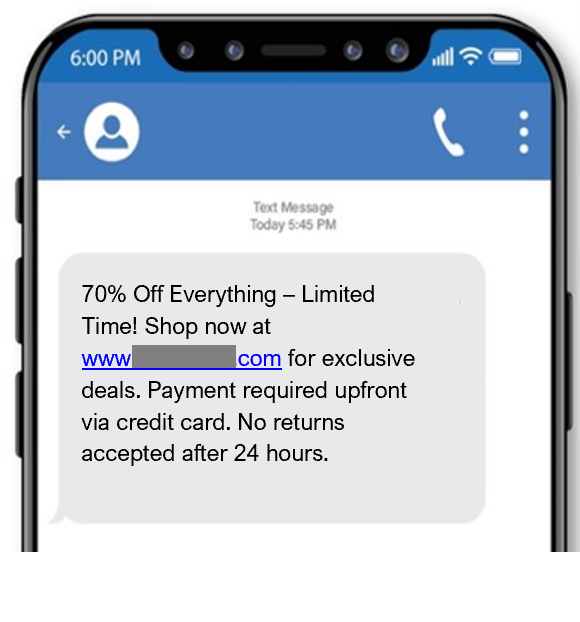
Scammers create websites that look like popular retailers or legitimate online stores.
Watch for: Unusual website addresses, missing contact information, unclear return policies or unexpected payment requests
Fake social media ads
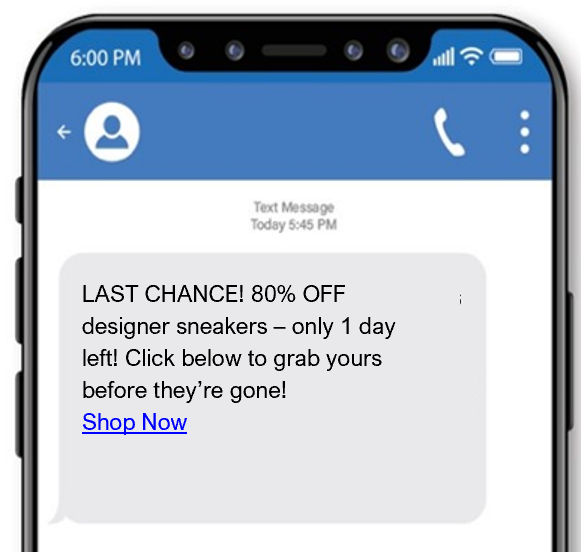
Fraudulent ads promoting big discounts, often with slick brand images and glowing reviews.
Watch for: Unfamiliar sellers, prices that seem too good to be true and countdown timers that push you to buy now
Package delivery smishing
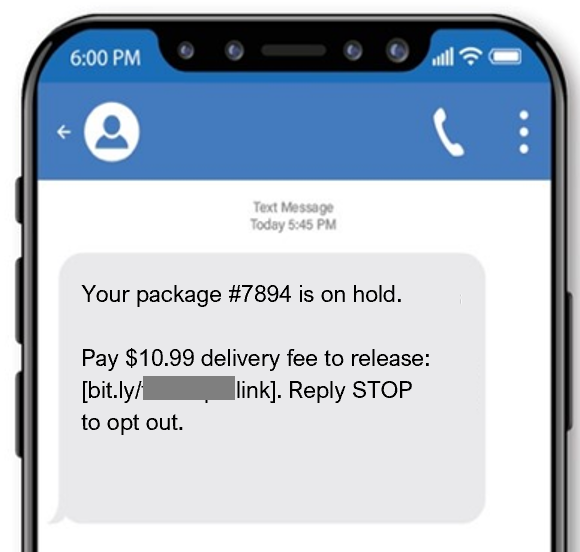
Fake text messages claim there’s a problem with your delivery and ask you to click a link or pay a small fee.
Watch for: Notices for packages you never ordered or a request for additional payment upon delivery
Out-of-stock scams
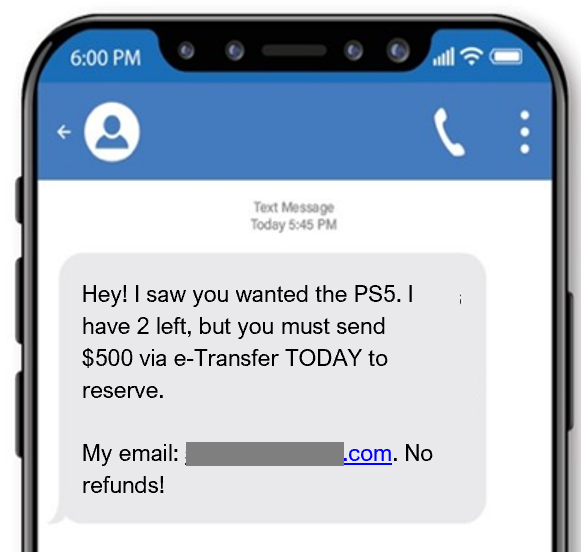
Scammers claim to have popular, hard-to-find products available when other stores are sold out.
Watch for: Pressure to pay immediately or send money through e-Transfer, gift cards or cryptocurrency
Counterfeit goods
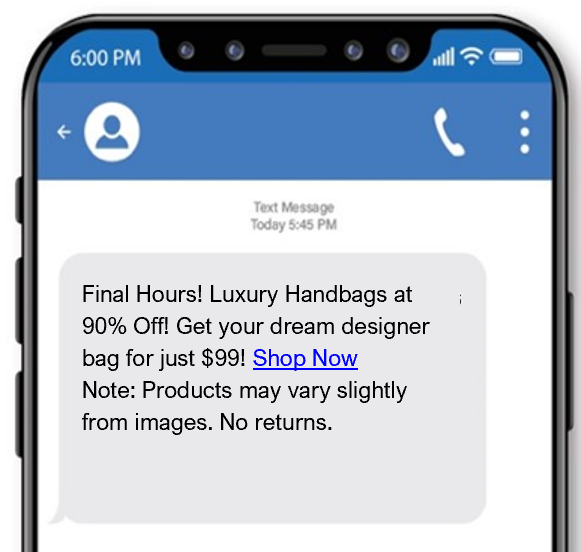
Fraudulent sellers advertise brand-name products at bargain prices but deliver cheap imitations or nothing at all.
Watch for: Unusually low prices, questionable seller information and vague product descriptions
Before you click “Buy,” do a quick double-check
Found a deal from a retailer you don’t recognize? A little research can help you decide whether it’s worth adding to your cart.
Look for independent customer reviews, check that the business has legitimate contact information and take a look at its return and refund policies.
Pay attention to the checkout process, too. If you’re suddenly redirected to another website, asked to send money to an individual or told to use a strange payment method, it’s a good time to stop.
And remember, a slick website and a secure HTTPS connection don’t necessarily mean a store is legitimate. Scammers can create convincing sites that look and function much like the real thing.
After you shop: Keep an eye on your purchases
You’ve found the deals, placed your orders and crossed a few gifts off your list. Nice work! There are just a few more things to do to keep your shopping experience on track.
Hang on to your receipts: Save order confirmations, receipts, product descriptions and delivery estimates. Screenshots can come in handy if a listing changes or disappears, or if you need to dispute a charge.
Check your transactions: Keep an eye on your bank and credit card statements, and review any alerts about unfamiliar purchases. If something looks off, contact your financial institution right away.
Track your packages the safe way: Expecting a delivery? Use the retailer’s or courier’s official website or app to check its status. Avoid clicking links in unexpected texts or emails claiming there’s a problem with your package.
Think you’ve encountered an online shopping scam? Here’s what to do
Even careful shoppers can encounter convincing scams. If you think you’ve been targeted or have shared information with a fraudster, taking action quickly can help limit the damage. Here’s what to do:
Report the incident. Notify your bank and law enforcement.
Scan your devices. If you clicked on a link or attachment, it’s a good idea to run an antivirus scan to check for malicious software.
Change your passwords. Update passwords for any accounts that might be compromised.
Lock down your credit. If you shared personal information with the scammer, it’s a good idea to place a fraud alert on your credit report.
Lock or cancel your credit card. If you inadvertently provided the scammer with your credit or debit card information, immediately lock and then cancel your card.
Alert others. Warn friends and family so they don’t fall for the same scam.
Our Digital Safety and Scams guide includes a detailed directory of reporting contacts in Canada, the United States and the United Kingdom, including credit bureau and banking details.
Shop smart, save big and stay safe
Black Friday is a great opportunity to find deals, get a head start on holiday shopping and stretch your budget a little further.
With a few cyber-smart habits in place, you can focus on finding the things you want at prices you’ll love. Make cyber security part of your shopping strategy, take a moment to check unfamiliar offers and keep an eye on your purchases after checkout.
This Black Friday, keep the deals coming – and the scammers out of your cart!
Spotting scams is becoming increasingly hard to do. The best thing is to stay aware of current scams and understand the ways you can protect yourself.
This article is intended as general information only and is not to be relied upon as constituting legal, financial or other professional advice. A professional advisor should be consulted regarding your specific situation. Information presented is believed to be factual and up-to-date but we do not guarantee its accuracy and it should not be regarded as a complete analysis of the subjects discussed. All expressions of opinion reflect the judgment of the authors as of the date of publication and are subject to change. No endorsement of any third parties or their advice, opinions, information, products or services is expressly given or implied by Royal Bank of Canada or any of its affiliates.