


TLDR
Social media scams use fake profiles, messages and ads to get you to share personal information, send money or click an unsafe link.
The most common scams include investment, romance, online shopping, giveaway and job scams.
Scammers make their stories more convincing by gathering details from public profiles and creating fake reviews and endorsements.
Knowing the red flags – and what to do if you spot one – goes a long way toward keeping you and your accounts safe.
Year-round, social media is a favourite hunting ground for scammers. In their social media scams, they entice users into sharing personal information, sending money or clicking malicious links over well-known and widely used social media platforms. They may pose as a trusted brand and offer enticing prizes or target emotions (fear or excitement), luring people through fake profiles, phishing messages or fraudulent ads. The good news is, once you know what to look for, these scams get a lot easier to spot.
Common social media scams
Social media scams come in many forms, but a few show up again and again:
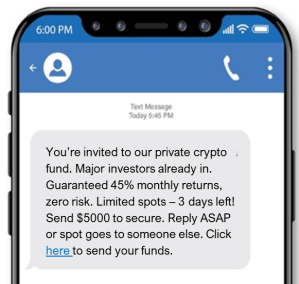
Investment Scam
| Description | Red Flags |
|---|---|
The pitch may come from an authentic-looking profile or a “friend” in a group, where you’re promised high returns with little or no risk. |
The scammer will:
|
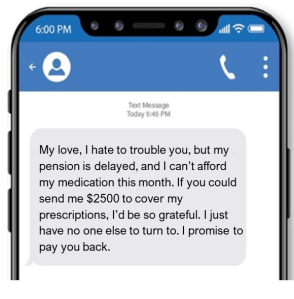
Romance Scam
| Description | Red Flags |
|---|---|
A scammer strikes up a connection and builds trust over weeks or months. Eventually, there is a request for money – usually related to an emergency, travel costs or an investment opportunity. |
The scammer will:
|
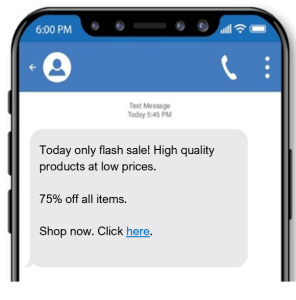
Online Shopping Scam
| Description | Red Flags |
|---|---|
An ad offers brand-name goods at steep discounts. You pay, but the product never arrives – or if it does, it’s often counterfeit or very poor quality. |
The scammer will:
|
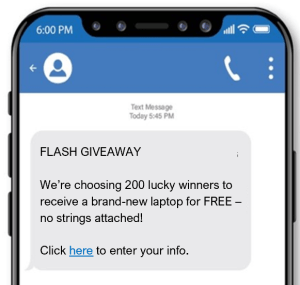
Giveaway and Quiz Scam
| Description | Red Flags |
|---|---|
A post announces you’ve won a prize, or a fun quiz asks you a string of personal questions. The aim is to collect details or to pay a fee to claim something that doesn’t exist. |
The scammer will:
|
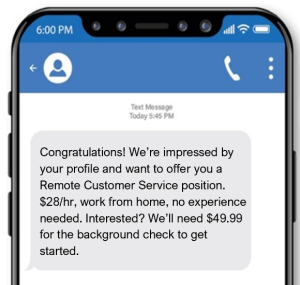
Job Scam
| Description | Red Flags |
|---|---|
A too-good-to-be-true job offer arrives by direct message, sometimes asking for an upfront payment or banking information to onboard you before work begins. |
The scammer will:
|
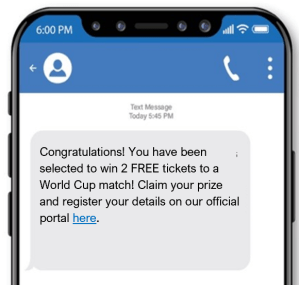
Ticket and Event Scam
| Description | Red Flags |
|---|---|
Big events bring a surge of fake offers. With these scams, a post or ad might promise hard-to-get tickets or steep discounts on official gear. But once you pay, what you get is fake – or nothing at all. |
The scammer will:
|
How can you tell what’s real or fake? How scams look so convincing
Here are some of the tactics scammers use to make social media scams look so real:
They gather your details first: Scammers comb through public profiles to collect information – your name, where you live, where you work and even the teams and causes you follow. A message that mentions these kinds of details feels personal – and therefore trustworthy.
They use what they’ve learned: With the details in hand, they craft a story designed to draw you in and nudge you toward a quick decision before you have time to question it.
They fake reviews and comments: Scammers know that many buyers look for validation before making a purchase – so they manufacture posts and testimonials that make a scam look legitimate.
Red flags to watch for
Whatever the scam looks like, there are common warning signs to watch for. Be cautious if someone:
Sends you an unsolicited friend request or message out of the blue.
Presents an offer that seems too-good-to-be-true.
Uses urgent language or pressures you to act right away.
Sends a suspicious link or attachment.
Asks for personal or financial information.
Here’s a good rule of thumb to keep in mind: Legitimate brands and organizations won’t ask for sensitive information or payment through an unexpected message.
What to do if you spot a scam
If something feels off, a few simple steps can help you stay protected:
Pause before you act: Urgency is a scammer’s favourite tool. Give yourself a moment to think before clicking, replying or sending anything.
Verify independently: If a message claims to be from a brand or organization, reach out through their official website or app – not the link or number in the message.
Don’t click links in emails or texts: They often lead to fake websites or install malware on your device.
Don’t send your personal details: Avoid sharing personal information, passwords or money in response to an unexpected outreach.
Report it: Flag any suspicious post, profile or message to the social media platform so they can take action and help protect others.
If you’ve already shared details or sent money
Worried you may have fallen for a scam? Moving fast can help contain the damage:
Report the incident: Notify your bank and law enforcement.
Scan your devices: If you clicked on a link or attachment, it’s a good idea to run an antivirus scan to check for malicious software.
Change your passwords: Update passwords for any accounts that might be compromised.
Lock down your credit: If you shared personal information with the scammer, it’s a good idea to place a fraud alert on your credit report.
Lock or cancel your credit card: If you inadvertently provided the scammer with your credit or debit card information, immediately lock and then cancel your card.
Alert others: Warn friends and family so they don’t fall for the same scam.
Our full Digital Safety and Scams guide includes a detailed list of reporting contacts in Canada, the United States and the United Kingdom, along with key credit bureau and banking information.
Stay connected, stay protected
Social media is built to bring people together – and most of the time, that’s exactly what it does. But sometimes, social media scams pop into your feed and try to trick you out of your money or personal information.
A little awareness can help you spot the signs of a scam. And when you know what to look for, it’s easier to trust your instincts and pause before acting on a prize, deal or connection that feels too good to be true.
Spotting scams is becoming increasingly hard to do. The best thing is to stay aware of current scams and understand the ways you can protect yourself.
This article is intended as general information only and is not to be relied upon as constituting legal, financial or other professional advice. A professional advisor should be consulted regarding your specific situation. Information presented is believed to be factual and up-to-date but we do not guarantee its accuracy and it should not be regarded as a complete analysis of the subjects discussed. All expressions of opinion reflect the judgment of the authors as of the date of publication and are subject to change. No endorsement of any third parties or their advice, opinions, information, products or services is expressly given or implied by Royal Bank of Canada or any of its affiliates.