


TLDR
Top threats affecting seniors are bank impersonation, romance, grandparent, service and investment scams.
Common red flags include requests for money, demands for secrecy and pressure to act quickly.
Advancements in technology – voice cloning, deepfakes, called ID spoofing and AI chatbots – have made fake calls, messages and websites more convincing than ever.
If you’re contacted, taking a moment to pause and verify before sharing information – and reporting the incident if suspicious – can help protect you and others.
Understanding why seniors are often targeted by scams can go a long way to protecting their financial and emotional well-being. Knowing what common scams look like can take this awareness further. The more familiar you are with how they unfold, the easier it is to spot a suspicious interaction before it leads to a loss.
5 top threats at a glance
Bank Impersonation Scam
| Description | Red Flags |
|---|---|
|
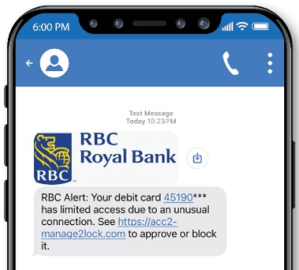
Scammer poses as a bank representative and warns the victim about a fraud or security issue with their account – such as a security breach or an unauthorized transaction – that needs to be resolved. |
The scammer will:
|
Romance Scam
| Description | Red Flags |
|---|---|
|
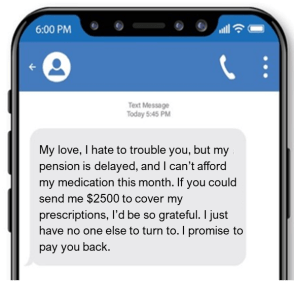
Scammer builds a relationship with the victim via a dating site, social media platform or messaging app. A crisis or opportunity suddenly appears, followed by a request for money. |
The scammer will:
|
Grandparent Scam
| Description | Red Flags |
|---|---|
|
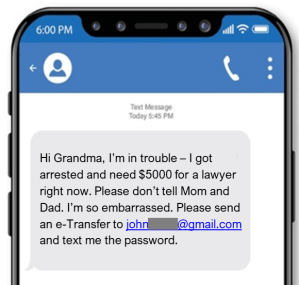
Scammer contacts the victim pretending to be a grandchild, another family member, a lawyer or a police officer, claiming a loved one is in trouble and needs money right away – for bail, medical expenses, travel or legal fees. |
The scammer will:
|
Service Scam
| Description | Red Flags |
|---|---|
|
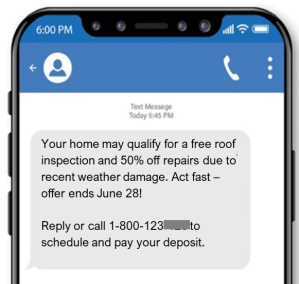
Scammer approaches the victim via a door-to-door visit, phone call, online ad or email, offering home, tech or subscription services – duct cleaning, appliance contracts and computer help are common examples. The work is often incomplete, overpriced or of poor quality – if it happens at all. |
The scammer will:
|
Investment Scam
| Description | Red Flags |
|---|---|
|
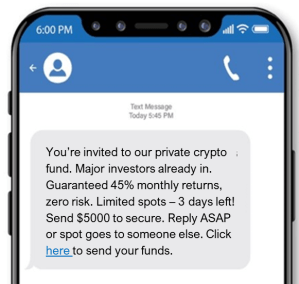
Scammer convinces the victim to invest money under false pretenses, often tied to cryptocurrencies. When the victim attempts to withdraw their funds, fees and taxes appear, or the platform vanishes. |
The scammer will:
|
The technology behind the scam
Technology can make a fraudulent story feel very real. Scams that were once easier to spot now look and sound authentic. Common tools scammers use include:
Voice cloning: AI-generated audio that impersonates a loved one, often using just a few seconds of recorded speech from social media.
Deepfake videos and images: Fake but convincing visuals that mimic someone you trust.
Caller ID spoofing: Phone numbers and names that appear legitimate on your screen – including those of banks, agencies and family members.
AI-powered chatbots: Conversational tools that can carry on long, believable exchanges by text or message, making fake profiles harder to detect.
What to do when encountering a scam
If something feels wrong, a few simple actions can stop a scam before it even starts:
Pause and verify. If the message claims to be from a loved one, government agency or financial institution, contact them directly using a number you trust.
Don’t send money or share information. Legitimate organizations don’t ask for upfront payment or sensitive details out of the blue.
Don’t click links in emails or texts. They often lead to fake websites or install malware on your device.
Hang up. It’s always okay to end a call. No explanation needed.
Report it. Reporting helps authorities track and disrupt scams, even if no money has been lost. Follow the reporting steps outlined below.
How to report a scam
If you think you or someone you care about has engaged with a scam, acting quickly can limit the damage:
Report the incident: Notify your bank and law enforcement.
Scan your devices: If you clicked on a link or attachment, it’s a good idea to run an antivirus scan to check for malicious software.
Change your passwords: Update passwords for any accounts that might be compromised.
Lock down your credit: If you shared personal information with the scammer, it’s a good idea to place a fraud alert on your credit report.
Lock or cancel your credit card: If you inadvertently provided the scammer with your credit or debit card information, immediately lock and then cancel your card.
Alert others: Warn friends and family so they don’t fall for the same scam.
Our full Digital Safety and Scams guide includes a detailed list of reporting contacts in Canada, the United States and the United Kingdom, along with key credit bureau and banking information.
Knowing what to look for is half the work
Most scams targeting seniors come down to the same handful of tactics dressed up in different stories. Recognizing those tactics – the urgency, secrecy, request for money or codes – is what makes them easier to refuse, whether the call comes to you or someone you care about.
For quick tips on how to proactively protect yourself or a loved one, read our Cybersecurity Checklist: For Seniors.
This article is intended as general information only and is not to be relied upon as constituting legal, financial or other professional advice. A professional advisor should be consulted regarding your specific situation. Information presented is believed to be factual and up-to-date but we do not guarantee its accuracy and it should not be regarded as a complete analysis of the subjects discussed. All expressions of opinion reflect the judgment of the authors as of the date of publication and are subject to change. No endorsement of any third parties or their advice, opinions, information, products or services is expressly given or implied by Royal Bank of Canada or any of its affiliates.