


TLDR
Kids spend money and build friendships within games, social apps and group chats. This is why scammers show up there.
The most common scams targeting kids and youth involve free offers or great deals on things they care about.
Scammers make their stories convincing by collecting details from public profiles and faking comments, reviews and winners.
Knowing the red flags of a scam can help families protect kids’ accounts, personal information and money.
For many kids and teens, childhood unfolds in two worlds. One is offline – at school and around the dinner table. The other exists in games, group chats and social apps, where friendships are formed, achievements are earned and money is spent. While parents usually have a window into their offline lives, much of what happens online happens out of sight.
Scammers know this, too. That’s why they spend time in these same online spaces.
A natural question is this: how do scammers get through the door? Often, it’s because the barriers are lower than parents realize. Many games have public servers and open lobbies where anyone can join the conversation. Scammers are adept at creating accounts that appear to belong to other kids, making it easy to send a friend request, start a private chat and eventually move the conversation to an unmoderated messaging app.
However scammers gain access, the opening move is typically the same: an offer that’s too good to pass up, whether it’s free gaming currency, an exclusive reward or a giveaway. But “free” online often comes with a hidden cost.
Five common scams targeting kids and youth
Once scammers have someone’s attention, their tactics are surprisingly consistent. Here are five of the most common scams targeting kids and youth.
Gaming Currency and Rewards Scam
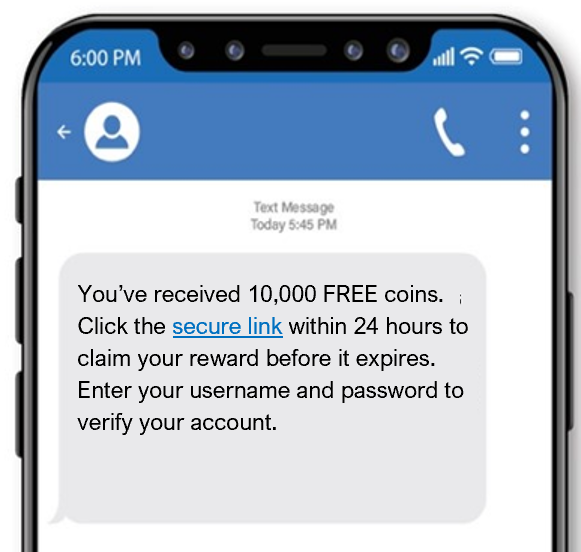
These scams show up as a message in a game chat or a video ad offering free in-game currency or a rare item. There’s no cost – just log in to claim it. But there’s a catch. The link then leads to a fake sign-in page, or a “generator” download that installs malware. The goal is to steal the account itself, along with any payment methods saved to it. Stolen gaming accounts can be resold or used in future scams.
Impersonation Scam
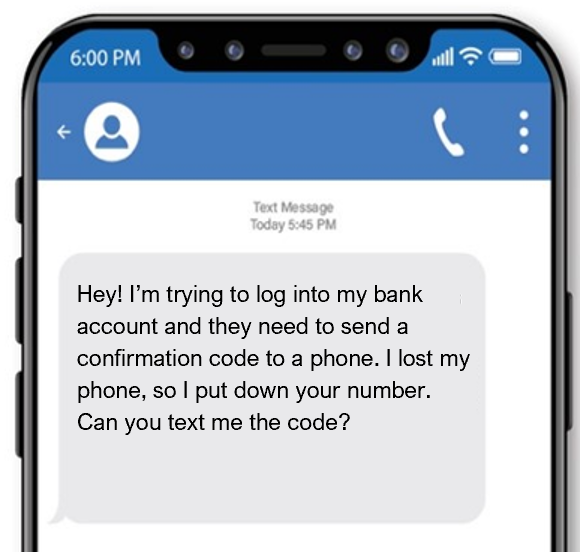
A message arrives from a friend’s account (or from someone who has copied a friend’s name and photo), asking for help, a code, a login or a vote in a contest. The request works because it appears to come from someone they already trust.
Giveaway and Quiz Scam
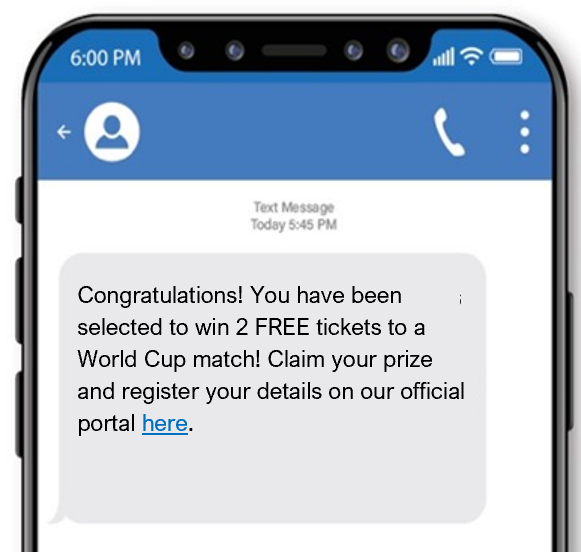
A post announces a winner and asks for details to claim the prize. Or, a fun quiz asks a string of innocent questions about their first pet, childhood street or elementary school. While they may look like harmless fun, these questions often collect answers to common security questions, handing valuable information to scammers.
Online Shopping Scam
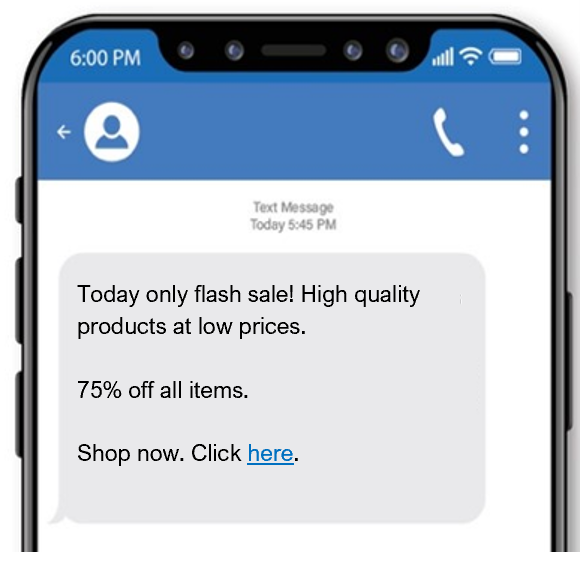
An ad promises brand-name shoes, event tickets or a console at a steep discount, often through a link in a social feed or a private seller in a group chat. The payment goes through, but the product is counterfeit or never arrives. The seller, meanwhile, disappears.
Job and Scholarship Scam
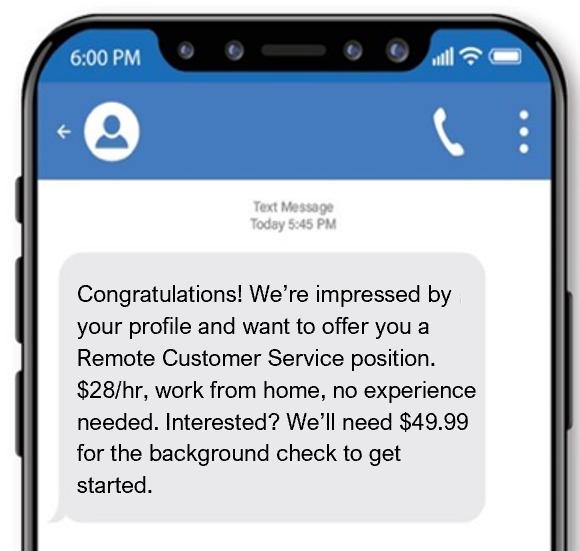
Aimed at older teens, these scams involve a direct message promoting a well-paid remote job or a scholarship that’s “already been approved.” The only catch? To claim it, you need to provide an upfront fee, banking details or ID documents to process it.
Why these scams look so real
Today’s scams can be very convincing. Scammers may:
Gather details from public profiles: These are rich with valuable details, such as a school name, hometown, sibling or favourite team.
Reference real friends, schools or interests: Those details add immediate credibility. Consider a message that mentions a real friend, school or tournament – it feels like it’s coming from someone who belongs in their circle.
Create fake reviews and comments: Scammers know that people look for proof that something is legitimate before they trust it, so they manufacture winners, comments and endorsements. Because kids and teens often look to their peers for what’s trustworthy, fake comments and endorsements can be especially convincing.
Red flags to watch for
Whatever the scam looks like, there are common warning signs to watch for. Here are the red flags to discuss as a family:
An unsolicited friend request or message arrives out of the blue.
There’s an offer that seems too-good-to-be-true.
A message uses urgent language or pressure for immediate action.
A suspicious link or attachment lands in their inbox.
There is a request for personal or financial information.
A rule of thumb worth sharing with your kids: a real company, game or school won’t ask for a password, code or payment through an unexpected message.
What to do if your child spots a scam
If something feels off, a few simple steps can help protect your kids’ accounts and information. Here are some important steps to share:
Pause before reacting: Scammers create a sense of urgency to get their targets to act without thinking things through. Remembering to take a moment before clicking, responding or opening is one of the best defences against scams.
Verify another way: If a message comes from a friend and seems out of character, contact them somewhere else – a text or a call outside the current platform – to check whether it’s really them.
Avoid clicking links, opening attachments or sharing personal information: Especially in response to an unexpected message.
Encourage them to tell a trusted adult: A parent, caregiver, older sibling or teacher can often spot warning signs that are easy to miss in the moment.
Report it: Flag the post, profile or message to the platform so it can be taken down for everyone else, too.
If they have already shared something
Perhaps one of the most important lessons you can pass along to your kids is this: come and talk to you. These scams are created by adults who do this professionally, and they manipulate grown-ups every day. Kids often stay quiet because they’re embarrassed or afraid they’ll lose the account or the device. Staying quiet often gives scammers more time to do damage.
If your child lets you know that they’ve shared details or payment information, it’s important to move quickly:
Report the incident. Notify your bank and law enforcement.
Scan your devices. If you clicked on a link or attachment, it’s a good idea to run an antivirus scan to check for malicious software.
Change your passwords. Update passwords for any accounts that might be compromised.
Lock down your credit. If you shared personal information with the scammer, it’s a good idea to place a fraud alert on your credit report.
Lock or cancel your credit card. If you inadvertently provided the scammer with your credit or debit card information, immediately lock and then cancel your card.
Alert others. Warn friends and family so they don’t fall for the same scam.
Our full Digital Safety and Scams guide includes a detailed list of reporting contacts in Canada, the United States and the United Kingdom, along with key credit bureau and banking information.
The scams change, the pattern doesn’t
Today’s scam may look different from tomorrow’s, but the underlying playbook rarely changes. There’s an offer that’s too good to ignore, pressure to act quickly and a request for a password, payment or personal information. Kids and teens who learn to recognize that pattern don’t need to memorize every scam – they’ll have the skills to spot the next one, whatever form it takes.
That’s why digital literacy is about more than keeping up with the latest online threats. It’s about teaching kids to recognize the patterns behind them. Just as we teach children the value of money, we can teach them the habits that help them question, verify and think before they click.
Spotting scams is becoming increasingly hard to do. The best thing is to stay aware of current scams and understand the ways you can protect yourself.
This article is intended as general information only and is not to be relied upon as constituting legal, financial or other professional advice. A professional advisor should be consulted regarding your specific situation. Information presented is believed to be factual and up-to-date but we do not guarantee its accuracy and it should not be regarded as a complete analysis of the subjects discussed. All expressions of opinion reflect the judgment of the authors as of the date of publication and are subject to change. No endorsement of any third parties or their advice, opinions, information, products or services is expressly given or implied by Royal Bank of Canada or any of its affiliates.