



What you need to know
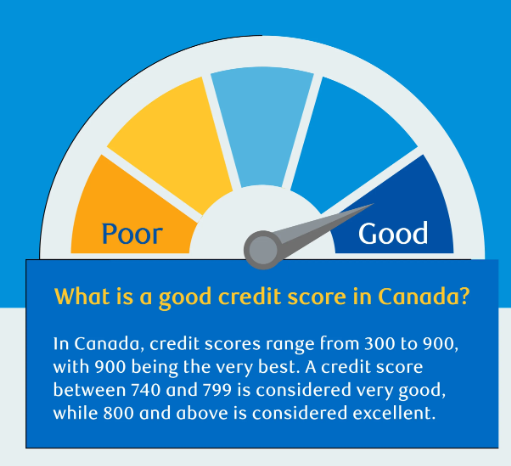
What is a credit score? Think of your credit score as a quick snapshot of how reliably you’ve managed borrowed money. It ranges from 300 to 900, and generally, the higher the score, the stronger your credit profile.
Why should you care about your credit score? A strong credit score can save you thousands of dollars in your future. Your credit history can come into play at different financial milestones, from applying to rent your first apartment, to getting your first car loan, or line of credit. Lenders use your credit score to help determine whether to approve you and what interest rate to offer. A higher credit score can mean lower interest rates, meaning cheaper monthly payments on your first car or a better mortgage rate on your first home. Building credit early as a student sets you up for financial wins down the road.
Why don’t I have a credit score? If you haven’t used credit products before, you may not have enough credit history to have a score yet.
How do I start building credit? A credit card can be one way to start. Debit cards and prepaid cards don’t build credit, you need credit products where you borrow and repay money. Using a credit card responsibly and paying on time can help establish your credit history.
What matters most for building credit? Payment history is one of the most important factors in your credit score. Keeping your credit utilization low can also help.
What if I’ve already made a mistake with my credit? You’re not stuck. Consistent, responsible credit habits can help your credit recover over time.
Having no credit history isn’t the same as having bad credit. If you’ve never had a credit card, loan or other credit product in your name, you simply may not have a credit report yet. That can become a problem when you apply for your first apartment, financing for a car, or a loan, and your credit check comes back with little or no history.
Think of it as being a Credit Ghost: you’re not in the system yet.
The good news? Building a credit history can start with a few small, everyday habits.
This guide is your practical toolkit for getting started, with tips you can put into practice now and tools from RBC to help along the way. From checking your credit score for free, to exploring credit cards designed for students and first-time credit builders.
What is a Credit Score and Why You Don’t Have One Yet
A credit score is a three-digit number, usually between 300 and 900, that tells lenders how reliably you borrow and repay money. Lenders may use your credit score to help decide whether to approve you for credit. Think of it as your financial reputation in number form. A higher score says “this person pays back what they owe,” and a lower one says “proceed with caution.” In real life, it’s the difference between getting approved for an apartment lease or never hearing from a landlord.
If you’ve never had a credit card, loan or other credit account in your name, you may not have a credit score yet. Not because you did anything wrong, it’s simply because there isn’t enough credit history to calculate one.
What are credit bureaus?
In Canada, Equifax and TransUnion are the two national credit bureaus. They collect information about your credit accounts and payment history to create your credit report. Your credit score is calculated from information in your credit report using a scoring model. Lenders will use your credit report and score, along with other information, when deciding whether to approve you for credit.
Once you start using credit products, such as a credit card, your credit history can begin to build over time.
What affects your credit score?
While scoring models can differ, these are some of the key factors that can influence your credit score:
| Factor | What does it mean? | What can students do? | For Example… |
|---|---|---|---|
| Payment history | Whether you make your credit payments on time. | Work to pay at least the minimum by the due date, every time. Better yet: make biweekly payments to stay ahead of your balance and avoid the temptation to overspend. Set up payment due date alerts through your RBC banking app | Your credit card bill is due Friday. Make at least the minimum payment on time. |
| Credit utilization | How much of your available credit you’re using. | Keep your balance manageable. As a general guideline, aim to use less than 30% of your available credit. Use NOMI Budgets to track where your money is going so you know exactly how much you can afford to charge. | Have a $1,000 credit limit? Aim to keep your balance under $300. |
| Length of credit history | How long you’ve had credit accounts. | Start building credit early and manage your accounts responsibly over time. | You got your first credit card in the first year of university and have used it responsibly ever since. Over time, that account helps you build credit history. |
| Credit mix | The different types of credit accounts you have. | Focus on managing the credit you actually need rather than opening accounts just to diversify your mix. | You might have a credit card and a student line of credit. You don’t need to open another account just to add more variety. |
| New credit inquiries | How often you’ve recently applied for credit. | It can help to avoid applying for multiple credit products in a short period unless you need them. | You’re shopping for your first credit card. Instead of applying for several cards at once, compare your options first and apply for the ones that best fit your needs. |
How can you check your credit score?
RBC Online Banking (available on mobile and desktop) allows clients to get free access to their credit score through the TransUnion CreditView Dashboard, with no impact to their score. RBC also offers a Credit Score Simulator through their online banking app that lets you explore how actions such as opening a new credit card or missing a payment could affect your score before you make a move.
If you’re new to credit cards and want to understand how they work, RBC’s guide on what students need to know about credit cards is a good place to start.
Does it hurt your credit to check your credit score?
Myth: Checking your own credit score will hurt it.
Fact: Checking your own credit score won’t lower it. When you check your score yourself, it’s considered a soft inquiry, which doesn’t affect your credit score. A hard inquiry is different, it typically happens when a lender checks your credit after you apply for something like a credit card, loan. It could even happen when applying for a new phone plan and the provider does a credit check to make sure you are a reliable user. A hard inquiry may lower your score slightly, but the impact is usually temporary.
Soft = you’re checking
Hard = a lender is checking because you applied for credit
How Do You Get Your First Credit Card With No Credit History?
If you have little or no credit history, getting your first credit card can be a good place to start building one. Student credit cards are designed for students who are new to credit and may have limited or no credit history.
When choosing your first credit card, look for:
-
Low or no annual fee: This means you are not charged a large membership or maintenance fee to keep the credit card open. Check out the RBC ION+. This rewards card can help you earn Avion points on everyday purchases like groceries, gas, dining, streaming services and more. Students and anyone 24 and younger with an eligible RBC bank account, such as RBC Advantage Banking for Students, are eligible for a $48 rebate on the RBC ION+ card.
-
A manageable credit limit: Student cards may offer lower limits, which can make it easier to keep your spending under control while you’re learning how credit works.
-
Rewards that fit your everyday spending: Look for rewards on things you actually buy, such as groceries, transit or streaming, rather than perks you may not use yet.
How should you use your first credit card?
Start with small, predictable purchases you already budget for, such as groceries, gas or your phone bill. Work to pay your credit card balance in full and on time each month. Ideally, make payments biweekly rather than waiting until the due date. This can help you avoid interest charges while establishing a positive credit history over time. Use RBC’s NOMI Budgets feature to understand your spending patterns and make sure you have room in your budget for these payments.
A student line of credit can also help establish a credit history, but a credit card can be a straightforward place to start because it can be used for everyday purchases and paid off monthly.
Ready to get started?
Explore RBC’s student credit cards
learn more about how to choose the right credit card before you apply.
What Habits Build Your Credit Score?
Building a strong credit score doesn’t require complicated strategies. It comes down to a few everyday habits and how consistently you manage your credit over time.
-
Pay on time, every time. Payment history is one of the most important factors in your credit score, so making at least your minimum payment by the due date is one of the best things you can do for your score. Even better: don’t wait until the due date. Set up automatic or biweekly payments through RBC Online Banking, or enable payment due date alerts so you never miss a deadline.
-
Keep your credit utilization low. Credit utilization is the amount of available credit you’re using. As a general guideline, try to keep your balance below 30% of your available limit. For example, if your credit limit is $1,000, keeping your balance below $300 can help keep your utilization low.
Tip: Use NOMI Budgets to understand where your money is going and build a budget around your actual spending, making it easier to manage your credit card balance.
-
Pay your balance in full. Paying only the minimum keeps your account in good standing, but you’ll still pay interest on any balance you carry. Paying your full balance by the due date can help you avoid interest charges while maintaining a positive payment history.
-
Avoid applying for several credit products at once. Applying for credit can result in a hard inquiry, which may have a small, temporary effect on your credit score. You don’t need multiple credit cards to build credit – a single card that you manage responsibly can be enough to get started. If you do need multiple products, space out your applications.
-
Make payments easy to remember. Take paying your credit card bill off the to-do list. Setting up automatic payments can help ensure you never miss a due date. You can also use a credit card for a few predictable purchases you already have room for in your budget, then pay the balance in full each month.
-
Be patient. Building credit takes time. Every on-time payment and good credit habit helps build your credit history little by little. Checked your score? Made your first payment on time? Kept your balance manageable? Those are all signs you’re building your credit skills. Track your progress regularly using RBC’s CreditView Dashboard so you can see how your efforts are paying off.
For more on how specific credit card habits can affect your credit score, check out RBC’s guide to using a credit card to build credit.
What Credit Mistakes Can Hurt Your Score and Can You Recover From Them?
Yes, you can recover from credit mistakes. Missed payments, high credit card balances and applying for too much credit at once can negatively affect your credit score, but their impact isn’t necessarily permanent. The key is to get back to consistent, responsible credit habits and give your credit history time to recover.
| Credit mistake | What can happen? | What can you do? |
|---|---|---|
| Missing a payment | Can lower your credit score and may remain on your credit report for several years. | Get back to making payments on time and set up automatic payments. |
| Using too much available credit | High utilization can negatively affect your score. | Keep your balance manageable using NOMI to track spending and consider making payments during the month. |
| Closing an older account | Can affect the length of your credit history and available credit. | Consider whether you need to close the account, particularly if it has no annual fee. |
| Bounced/NSF payment | Can result in fees and, if it leads to a missed payment, may affect your credit history. | Keep enough money in your account to cover upcoming payments. Set up alerts through RBC Online Banking. |
| New credit inquiries | How often you’ve recently applied for credit. | If possible, avoid applying for multiple credit products in a short period unless you need them. |
How do you build credit the right way from the start?
The best approach is to establish good habits now: pay your bills on time (better yet, biweekly), keep your balances manageable, avoid taking on more credit than you need, and monitor your progress. Use RBC’s free tools to stay on track, like NOMI Budgets in the RBC Mobile app and RBC’s CreditView Dashboard, available through RBC Online Banking and the RBC Mobile app, to check your score regularly. When you build credit responsibly from the beginning, you won’t need to recover from mistakes.
For more information on the factors that can affect your credit score, see RBC’s guide to six surprising things students need to know about their credit score.
How Can Newcomers to Canada Build Credit From Scratch?
If you’re new to Canada, your credit history from another country generally won’t transfer to Canada’s system. So even if you had an excellent credit history before moving, you may need to start fresh here.
One of the simplest ways to start building credit in Canada is to get a Canadian credit card and use it responsibly. Make biweekly payments, keep your balance manageable, and pay your balance in full whenever possible. Monitor your progress using RBC’s CreditView Dashboard. Over time, your credit activity can help establish a credit history with Canada’s credit bureaus, Equifax and TransUnion.
RBC offers student credit cards to international students who may not have an established Canadian credit history.
For more newcomer-specific guidance, visit RBC’s Newcomers Hub for information on building your credit history in Canada.
From Credit Ghost to Credit Builder
Building credit is a skill, and having the right tools can make it easier to get started.
Every credit report starts somewhere, including yours. Maybe you first started thinking about your credit when you applied for an apartment, set up a phone plan or needed a loan. Whatever brought you here, you can start building a credit history with a few simple habits: use credit responsibly, pay your bills on time and keep your balances manageable.
Ready to take your next step?
Explore RBC’s student credit cards
Check your credit score through RBC Online Banking or the RBC Mobile app,set up NOMI Budgets to track your spending, and enable payment alerts to keep yourself on track.
The goal isn’t to build perfect credit overnight. It’s to start building good habits now that can serve you for years to come and save you money when you’re ready to buy your first car or home.
This article is intended as general information only and is not to be relied upon as constituting legal, financial or other professional advice. A professional advisor should be consulted regarding your specific situation. Information presented is believed to be factual and up-to-date but we do not guarantee its accuracy and it should not be regarded as a complete analysis of the subjects discussed. All expressions of opinion reflect the judgment of the authors as of the date of publication and are subject to change. No endorsement of any third parties or their advice, opinions, information, products or services is expressly given or implied by Royal Bank of Canada or any of its affiliates.